Engineering precision.Integrated design.
Advanced design, BIM modeling, and technical coordination of electrical installations for complex commercial, industrial, educational, and Life Science facilities.
01
About Us
No empty words. Just engineering essence and reliability.
02
Services
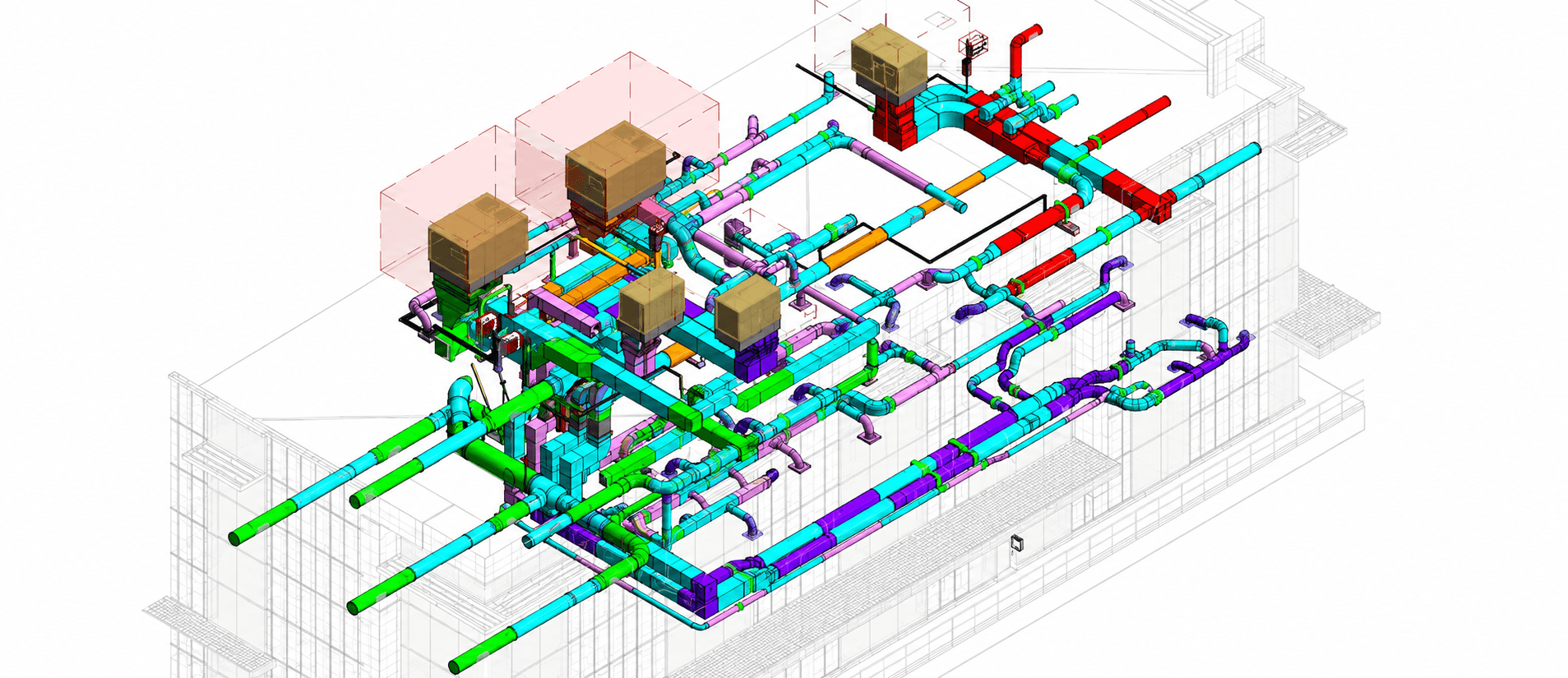
Integrated systems, BIM modeling, and coordination.
03
Projects
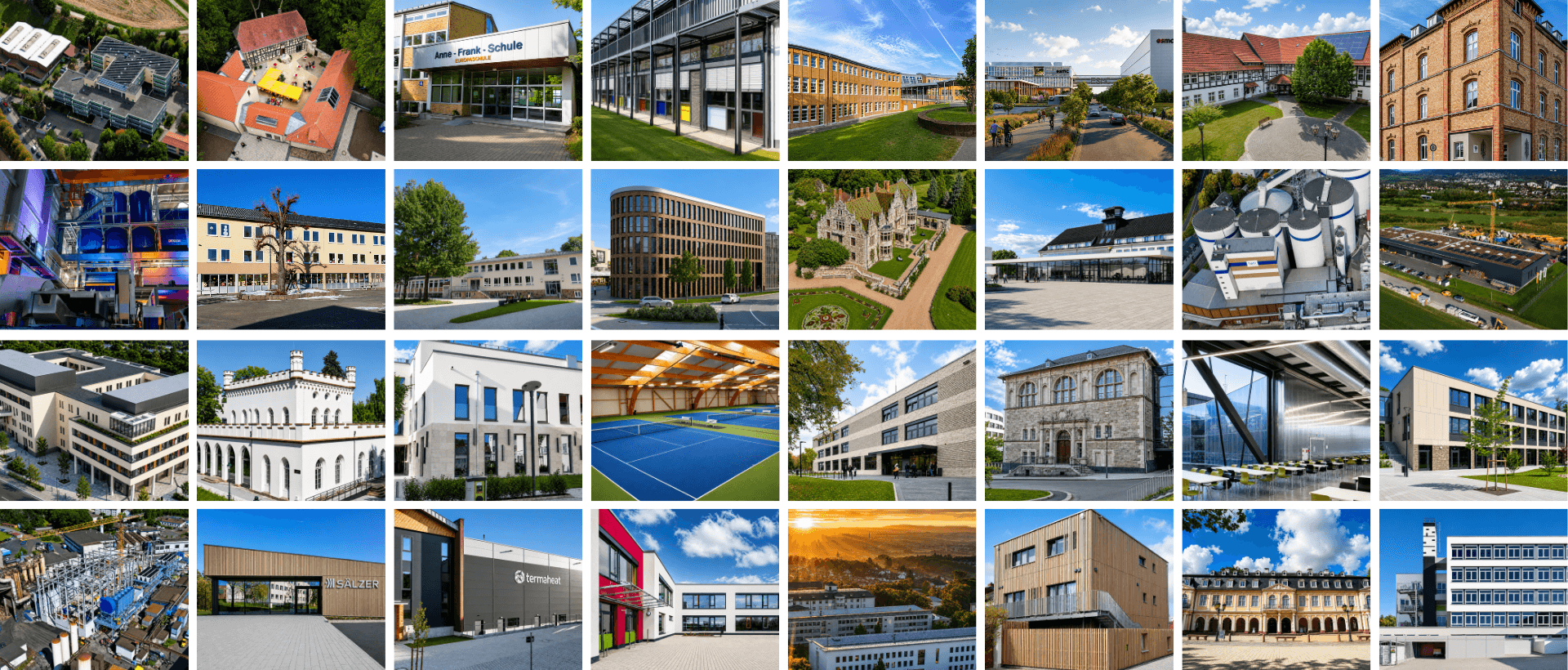
Proven feasibility through complex structures.
04
People
Experts who understand the bigger picture of the construction site.

05
Careers
Join our team and build the future with us.
Frequently Asked Questions (FAQ)
What exactly does your MEP design encompass?
EE&C MEP provides complete MEP (Mechanical, Electrical & Plumbing) design services, covering all phases of technical documentation development – from conceptual design and main projects to detailed construction design and expert support during project realization.
In the field of mechanical installations, we design modern HVAC (heating, ventilation, and air conditioning) systems with a special focus on energy efficiency, user comfort, and the optimization of building operational costs. Our solutions include air quality control systems, energy recovery, centralized management, and integration with smart building systems.
In the electrical installations segment, we develop complete solutions for strong and weak current. This includes designing power supply and electrical distribution systems, lighting, backup power supply, grounding and lightning protection, as well as telecommunication networks, video surveillance systems, access control, anti-burglary protection, fire alarms, and other security systems.
Our hydro-technical services include designing water supply and sewage systems, stormwater drainage systems, fire protection installations, as well as sustainable solutions for the rational use and management of water resources. We pay special attention to reducing water consumption, reusing rainwater, and complying with modern ecological standards.
Through a multidisciplinary approach and the application of modern design tools, EE&C MEP ensures technically coordinated, reliable, and long-term sustainable solutions for residential, commercial, industrial, and infrastructural facilities of all sizes and purposes.
How do we use BIM technology in projects?
At EE&C MEP, we use BIM (Building Information Modeling) technology as a central tool for the design, coordination, and management of technical systems throughout the entire project lifecycle. By applying advanced BIM platforms, such as Autodesk Revit and Navisworks, we create detailed and highly precise 3D models that unify all MEP disciplines – mechanical, electrical, and hydro-technical installations – in a single digital environment.
Our process involves not only creating three-dimensional models but also active coordination with architectural, structural, and other design teams. Through advanced Clash Detection, we identify potential conflicts between installations, structure, and architectural elements already in the design phase. In this way, problems are solved digitally before construction work begins, significantly reducing the risk of errors on the construction site, unplanned costs, and project delays.
The BIM models we develop contain precise technical data about each system element, including dimensions, technical characteristics, equipment performance, and information needed for building execution and maintenance. This allows investors, contractors, and facility managers to have complete transparency and better control over the project in all phases of its realization.
By using the BIM methodology, we improve communication among all project participants, optimize decision-making processes, and enable more efficient planning of space, materials, and resources. The results are better-coordinated projects, higher accuracy of technical documentation, faster realization, and more long-term sustainable buildings.
Our goal is for BIM to be not just a modeling tool, but a strategic platform that enables greater efficiency, reliability, and predictability during the design and construction of modern buildings.
For what types of buildings do you create technical documentation?
EE&C MEP creates complete technical documentation for a wide range of buildings with different purposes, sizes, and levels of technical complexity. Our experience includes designing new buildings, reconstructing existing systems, adapting spaces, as well as projects for expanding and modernizing infrastructure.
We are particularly active in commercial and business building projects, including office buildings, business centers, retail facilities, shopping centers, hotels, and hospitality complexes. For these buildings, we develop integrated MEP solutions that ensure a high level of user comfort, energy efficiency, and the reliable operation of all technical systems.
In the industrial sector, we design installations for production halls, logistics centers, warehouses, distribution facilities, and specialized industrial plants. Such projects require a detailed understanding of technological processes, a high degree of coordination between different disciplines, and the adaptation of technical systems to the specific operational requirements of the investor.
We also have significant experience in designing healthcare facilities, including hospitals, clinics, diagnostic centers, and laboratories. These buildings require particularly precise HVAC system design, air quality control, backup power systems, and compliance with strict safety and regulatory standards.
We also work on educational institution projects such as schools, universities, research centers, and campuses, where the focus is on creating a safe, functional, and energy-efficient environment for pupils, students, and staff.
One of our specialties is data centers and critical infrastructure facilities, where we design highly reliable power supply, cooling, fire protection, and technical monitoring systems. For these facilities, special attention is paid to system redundancy, continuity of operation, and maximum operational security.
In addition to the mentioned categories, we also participate in mixed-use building projects that combine residential, commercial, and public content. Thanks to a multidisciplinary approach and BIM coordination, we successfully respond to the challenges of complex projects that require the integration of a large number of technical systems and stakeholders.
Regardless of the building type, our goal is to develop technical solutions that are functional, energy-efficient, compliant with applicable standards, and tailored to the long-term needs of investors and end-users.
Our partners